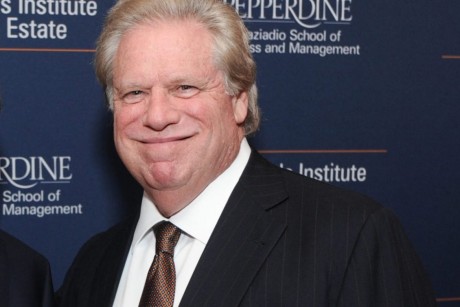
US federal judge dismissed Qatar from the case filed by Elliott Broidy, the prominent donor to the Republican Party, who accused the small emirate of being behind the hacking of his email last year, but the judge called for changing a law that grants Doha immunity from prosecution.
The case began when Broidy accused Qatar and its clients of hacking his personal email last March, shortly after the media published the leaked emails.
He accused Doha of trying to defame him through the publication of emails that reveal details of his communications with the Trump administration and the United Arab Emirates.
Later, the US businessman decided to expand the case to include the brother the Qatari Emir and a diplomat in connection with the Qatari Sovereign Wealth Fund.
Judge John F. Walter of the California Central District Court excluded Qatar from the case because the court did not have any jurisdiction over a sovereign state in this case under the Foreign Sovereign Immunity Act 1976.
However, the judge wrote that because of the growing proliferation of international cybercrime, it is time for Congress to reconsider the exception of investigating cyber attacks, explaining that the Immunity Act at this time hampers civil cases in US courts against foreign governments or entities that play a role in cyber attacks.